Indoor vs. outdoor duty
- Indoor slab and racking: electric cushion-tire forklifts excel on smooth floors with tight aisles and low emissions
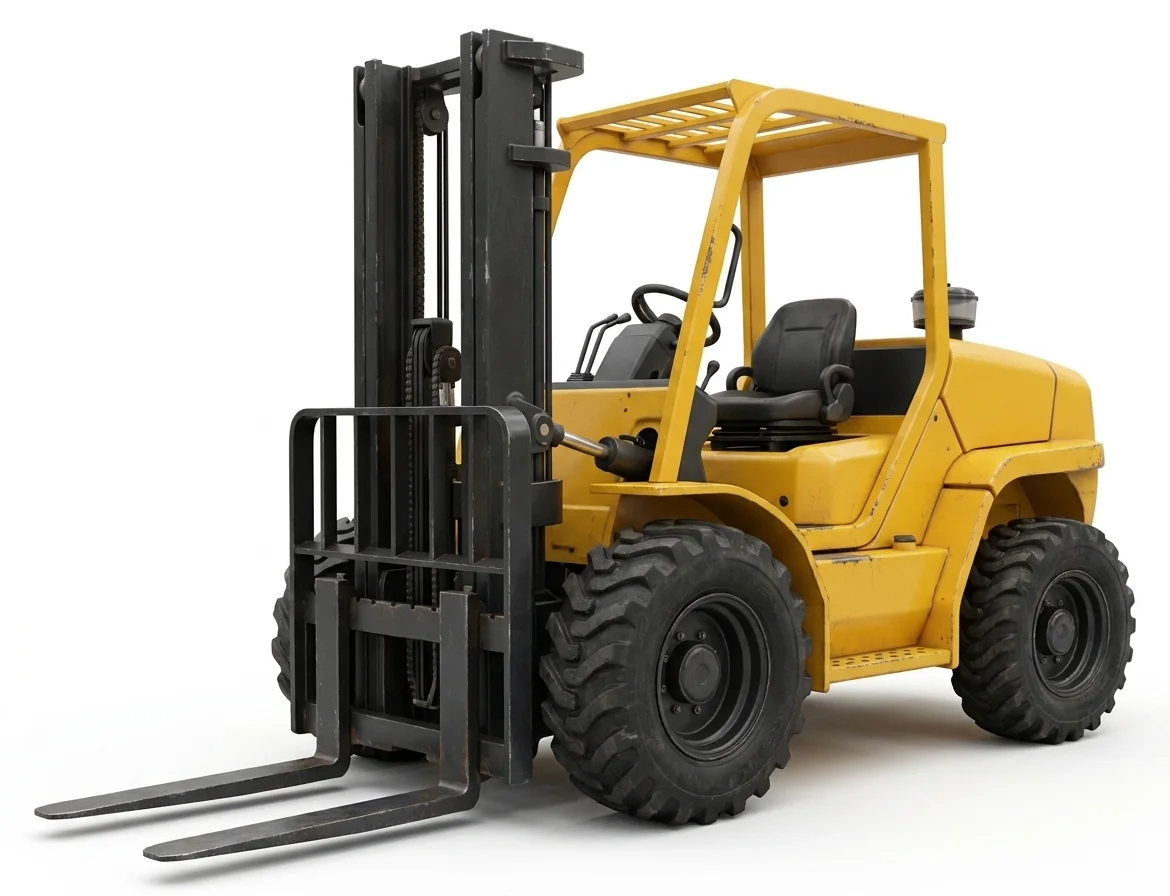
- Mixed yard and dock work: pneumatic-tire IC or electric pneumatics handle dock aprons, thresholds, and occasional yard travel
In McAllen, frequent transitions through humid dock vestibules and cooler doorways can create condensation on floors. Tire choice and careful route mapping matter for traction and floor protection.
Aisle, mast, and load profile
Measure: - Aisle width at tightest point, including column and rack guards - Clear height for mast free-lift under sprinklers and door tracks - Load dimensions and weight, especially tall or flexible pallets common in high‑density storage
If racks reach high with double-deep slots, consider reach trucks for the interior lanes and yard-capable pneumatics for staging—each task has a better-fit tool.
Power in the regional climate
Heat and humidity can reduce electric battery efficiency in non‑climate‑controlled zones. Charging in hot corners adds stress and can lengthen turnaround times. Where ventilation is limited, electric remains preferred; plan charge cycles with realistic ambient conditions.
Dock grades and thresholds
Local industrial sites often blend level interior slabs with exterior aprons that pond after storms. Crossing expansion joints, dock levelers, and curb cuts favors trucks with adequate clearance and pneumatic tires or dedicated dock equipment for the roughest spots.
Related categories
- For personnel access to higher work zones, see /vertical-mast-lift-rental/ or /electric-scissor-lift-rental/
- For rough exterior access, see /rough-terrain-scissor-lift-rental/
Actual conditions, the selected unit’s instructions, and site procedures govern final suitability.