Start with site geometry
- Where can the container sit relative to loading doors and temporary power? Shorter pushes across the yard reduce handling time.
- Can the delivery truck approach without tight reverse turns or soft shoulders? Gate width, turning radius, and any curb lips matter.
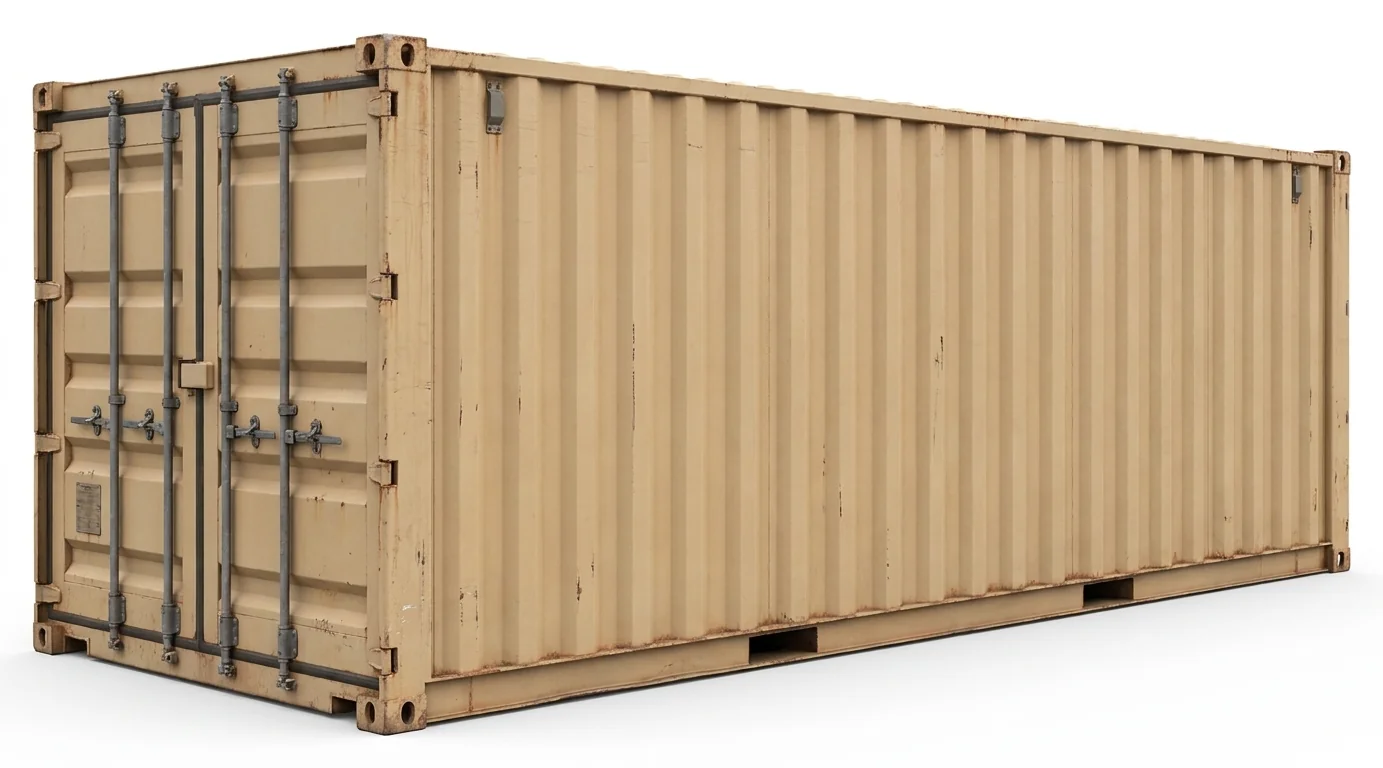
- Which way should doors face? Consider prevailing sun in peak heat and forklift paths near dock aprons.
Local conditions that change the plan
- Loamy soils handle load well when dry but can rut after fast storms. A soft pad can tilt doors out of square and make latching difficult.
- High humidity affects interior condensation. Sensitive materials for cold‑storage builds may need ventilation strategies or desiccant to protect packaging.
- Active distribution sites run tight schedules. Place containers where they won’t impede cross‑dock lanes or temporary fencing lines.
Sizing and features to document
- Length and height: match to pallet loads, long materials, and any oversized door frames or glass.
- Floor rating and door type: heavier racking or dense hardware needs stronger floors and reliable locking gear.
- Access frequency: frequent picks may favor double‑door or side‑access layouts.
- Surface prep: asphalt, compacted base, or level blocks help resist settlement after rain.
Pairing containers with lift tasks
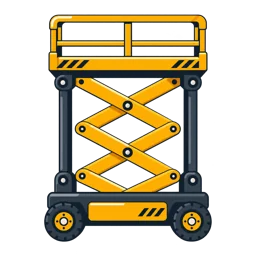
- For interior work in high‑density storage, staged materials often move via forklifts and electric scissor lifts.
- For uneven exterior laydown, crews may also need rough‑terrain scissor lifts or a telehandler to handle pallets at grade.
Door clearance and traffic flow
Actual conditions and site procedures control placement. Maintain clear swing arcs for doors, confirm visibility at corners, and avoid creating blind spots at busy yard merges. In hot months, consider shade patterns to reduce heat buildup near frequent‑use doors.