Define the job geometry first
- Can the generator or light tower sit below the task, or does it need to be within cord reach of high-rack work? Longer runs add voltage drop and tripping hazards across dock lanes.
- What are the runtime windows? Night pours, swing shifts, and dock changeovers require different tank sizes and mast heights.
- Is the task indoors within a live facility build? Non‑emissions power and low‑noise priorities often matter in active medical interiors and cold‑storage aisles.
How McAllen conditions change the choice
- Heat and humidity stress engines, alternators, and batteries. Sizing a generator with headroom helps avoid overload during peak ambient temperatures.
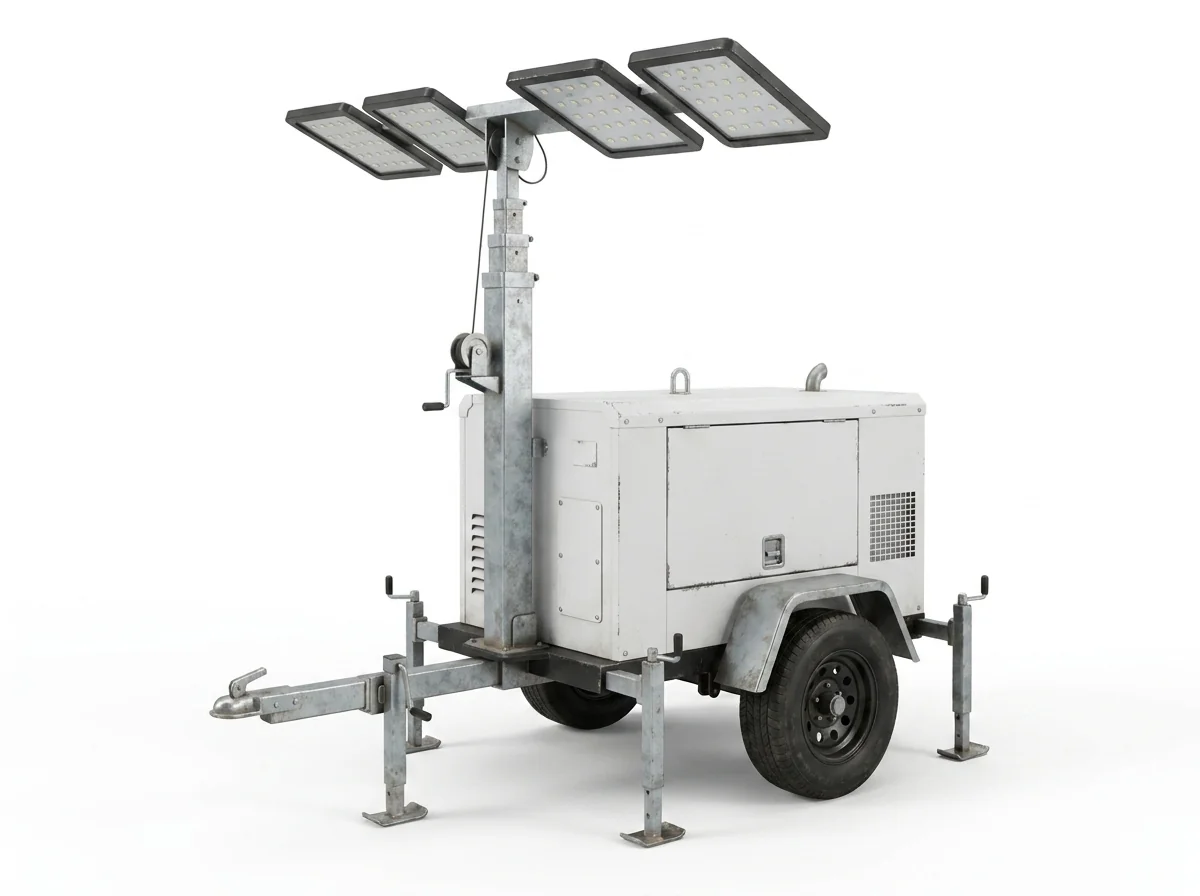
- Seasonal storms and high groundwater raise placement concerns. For yards and temporary laydown on loamy soil, look at wide‑stance towable towers and 4‑point outriggers for stability on soft surfaces.
- Logistics yards with frequent cross‑docking need light that cuts glare on wet pavement and aligns with truck turning radii.
Narrow by measurements and site constraints
- Power: note peak and continuous load, motor starts, and any sensitive electronics for interior build areas.
- Runtime: document shift length and refuel windows. Larger tanks reduce refueling trips during overnight work.
- Access route: confirm gate widths, turning space for a towable unit, and any slope or curb transitions.
- Surface: compacted base or asphalt supports towables; saturated soil can require relocating the unit or using ground protection.
- Lighting coverage: specify target lux levels, pole height constraints near overhead utilities, and spill‑light concerns at property lines.
Typical pairings with lift work
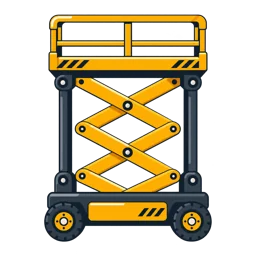
- Indoor fit‑outs around high‑density storage often combine a quiet power source with electric scissor lifts.
- Yard work on uneven shots often pairs light towers with rough‑terrain scissor lifts or a telehandler for material staging.
Placement and routing notes
Actual conditions, the selected unit’s instructions, and site procedures govern exterior and elevated work. For busy distribution lots, plan cord routing away from forklift aisles and confirm mast siting outside trailer swing paths. In medical build areas, confirm electrical isolation needs before tying into temporary panels.
When wind and weather shift plans
Gusty conditions can affect mast stability and light aim. Saturated surfaces after fast-moving storms may require moving towers to higher ground and shortening cable runs to avoid low spots.